Supabase web apps and portals
AppsPortalsAuth
For digital products with login, profiles, data views and protected areas that need to feel clear and reliable.
We develop Supabase backends, portals, internal tools and data products with clean Postgres models, permissions, APIs and workflows.
Good Supabase projects start with users, teams, business model and data flow. Which information matters? Who is allowed to see, edit or trigger it? Which rules, calculations and processes need to become dependable?
From that understanding, we build product backends, internal tools, data platforms and process systems with Postgres, Auth, Row Level Security, APIs, Storage, Edge Functions and room for further development.
We use Supabase for digital systems where data, access rights, calculations and workflows need to be structured clearly.
For digital products with login, profiles, data views and protected areas that need to feel clear and reliable.
For applications that need considered data models, product logic, APIs and a base for new features.
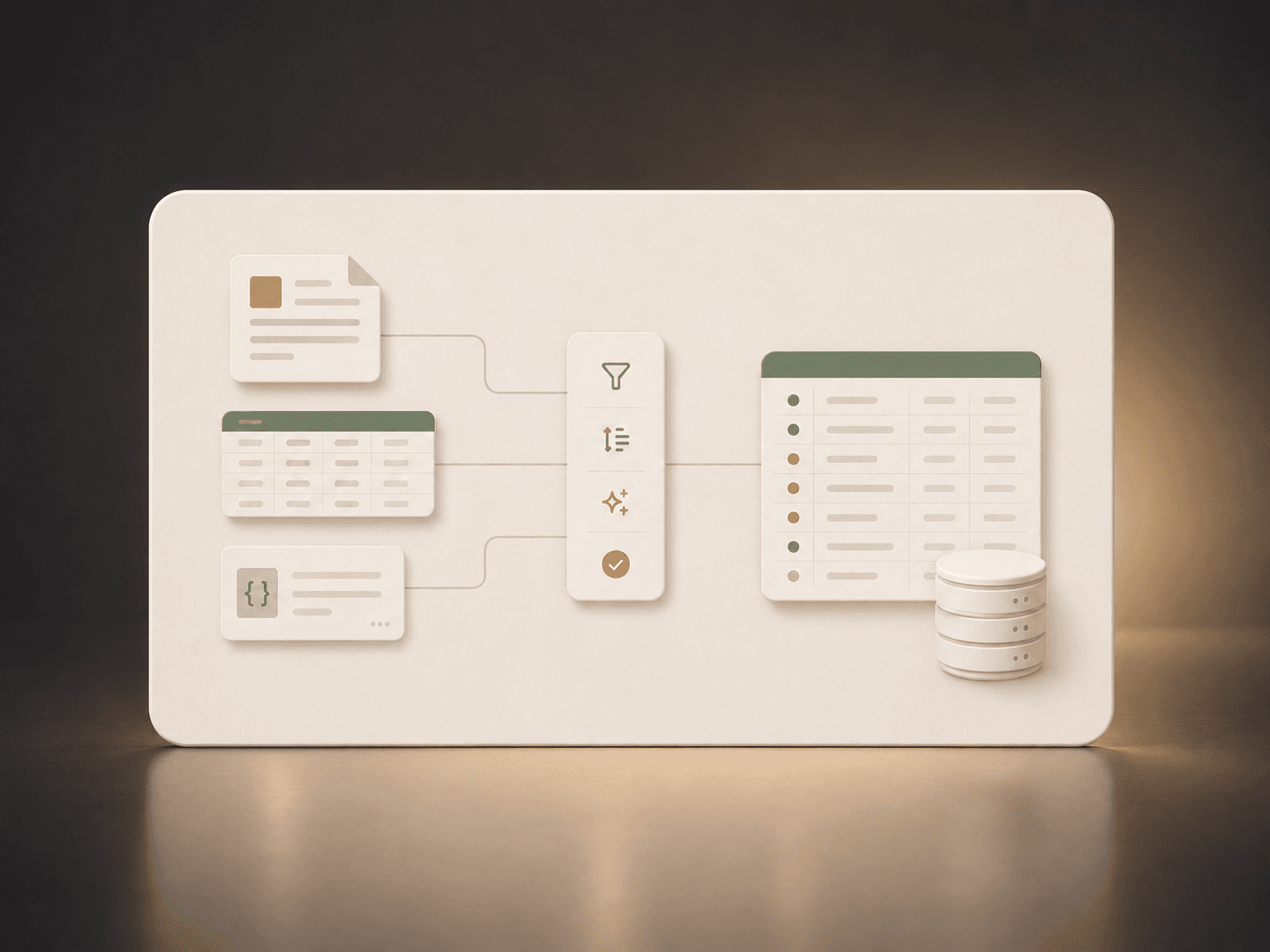
For data from multiple sources that needs to be cleaned, calculated and prepared for products or teams.
For teams that need faster access to operational information, clearer dashboards and better decisions.
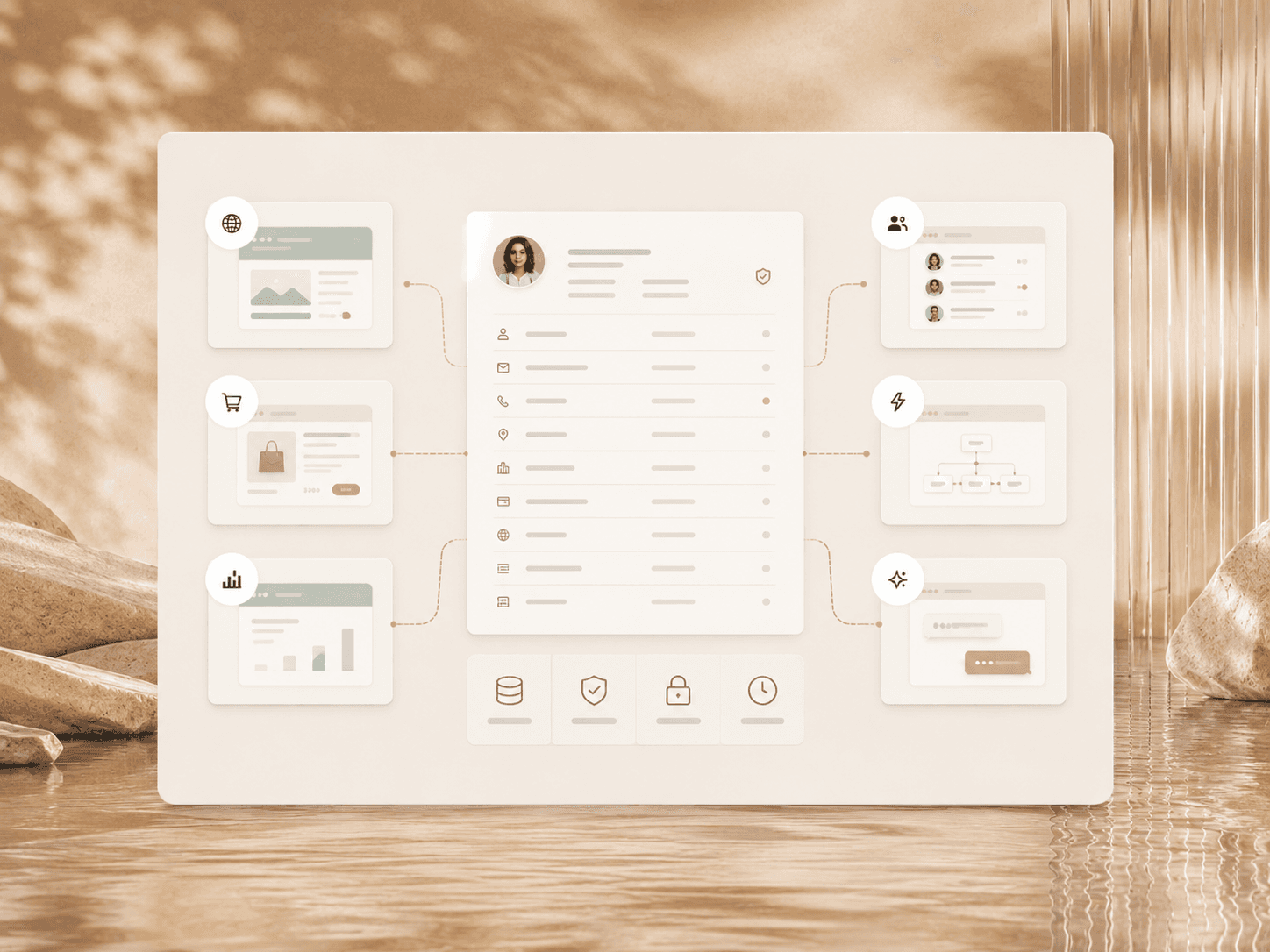
For customer or partner areas with clear permissions, personal data, documents, status logic and roles.
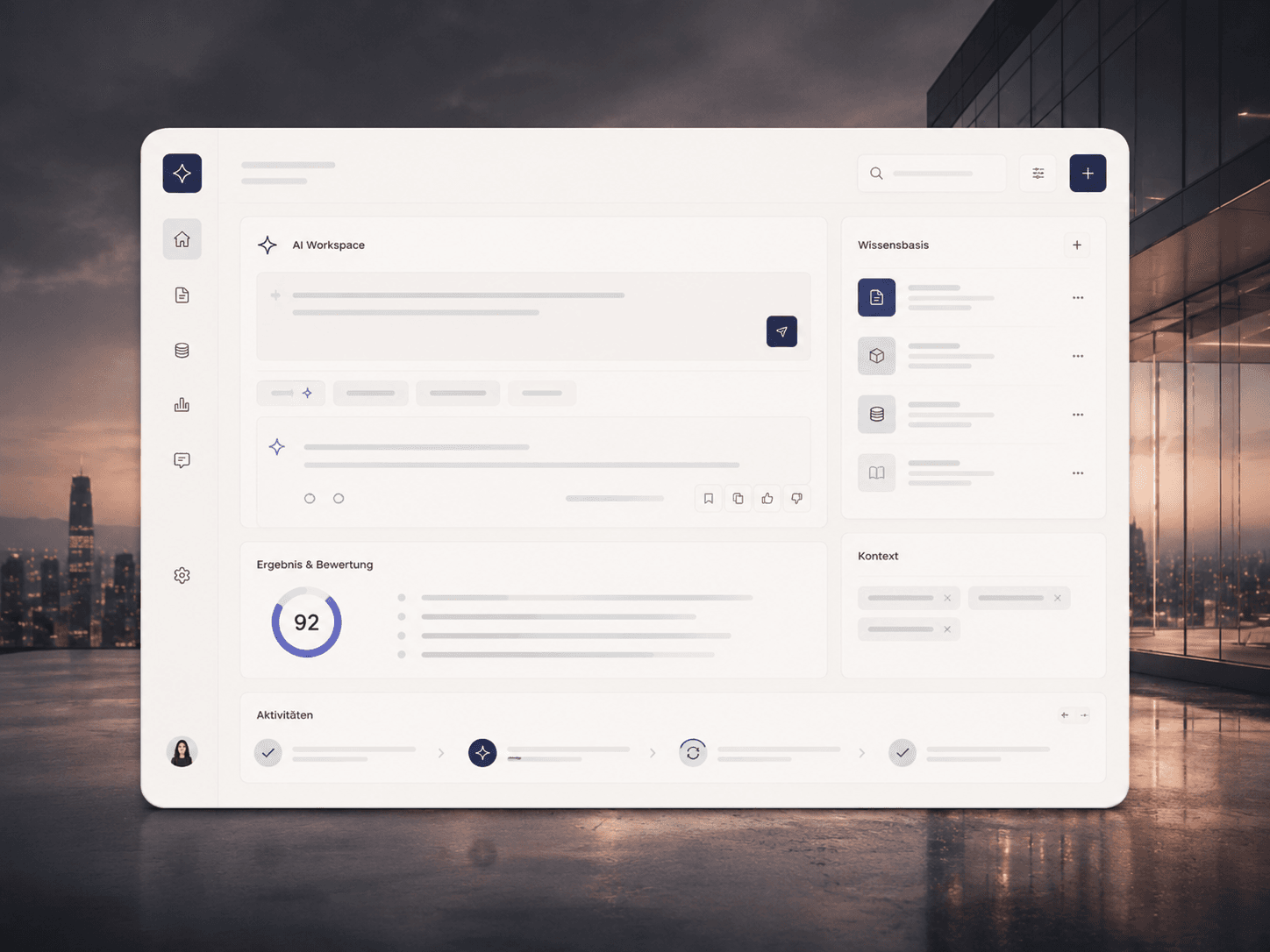
For AI features, knowledge systems and automations that depend on good data, controlled access and reliable context.
Supabase is a good fit when data is not only stored, but drives products, portals, internal tools, automation and decisions.
We handle the technical work behind Supabase products: data models, permissions, APIs, functions, automation and operational reliability.
We clarify entities, relationships, data quality and future analysis before tables, views or interfaces are created. This prepares Supabase for product logic, reporting and new requirements.
We plan login, user roles, Row Level Security and access rules so users only see and edit what their role allows. This applies to portals, internal tools, customer areas and product applications.
We develop interfaces, data flows and integrations for frontends, internal tools, workflows and external systems. Information needs to reach the right place in the right shape.
Rules, validations, status changes and workflows need the right place in the product. We decide what belongs in Supabase, what belongs in the frontend and what belongs in external processes.
We develop imports, calculations, webhooks, background processes and recurring tasks so data stays current and operational effort goes down.
We use files, realtime features and server-side functions where they create real product value, such as documents, live status, notifications, background logic or secure API calls.
We keep migrations, logs, rights, performance, data quality and new product requirements in view as the first version grows into a long-term system.
Supabase works best when data models, user needs, permissions and business processes are planned together.
We think through users, roles, workflows, calculations and business model before tables and interfaces are created. That gives the backend a clear direction.
Login, roles and Row Level Security need to be understandable for the business and precise in the technology. We plan access so users can trust the product.
Imports, status changes, approvals and automations are structured so operational effort drops and information stays dependable.
A good backend also shows in the interface. Dashboards, admin areas and internal tools should make data understandable and improve decisions and workflows.
When requirements grow, migrations, logs, rights, performance and data quality stay in view. That keeps Supabase ready for long-term development.
We build Supabase projects so data stays understandable, protected and useful across applications, customer areas, automation and internal systems.
BxW plans and develops Supabase projects where data, roles, processes and product logic need careful architecture. We look beyond tables: user groups, permissions, APIs, automation, AI-adjacent systems and later development belong in the conversation from the start.
Supabase is suitable for web apps, portals, customer areas, internal tools, data platforms, automation and AI-adjacent applications with relational data. It is especially useful where Postgres, Auth, roles, APIs and domain logic need to become productive quickly without losing architectural clarity.
Yes. Supabase can represent status, approvals, calculations, roles, finance workflows, scoring and other business logic. The important step is to understand the process before data model, policies and functions are developed.
With roles, rights and sensitive data, we start with responsibility: who may see, edit or trigger what, and which information needs special protection? Technically, we work with Supabase Auth, RLS policies, roles, logs and access patterns that fit the product, team and risk.
Yes. We take over existing Supabase projects when the data model, policies, API usage, performance or product logic need review and further development. We start where data, access rules or processes slow the product down.
A custom backend can be better when individual server logic, special compliance, infrastructure requirements or full control over runtime and architecture are central. We evaluate Supabase pragmatically and recommend the base that best supports product, data, team and operations.
A Supabase project stays extensible when data model, roles, migrations, Edge Functions, APIs and logs are planned with future requirements in mind. Later features, automations and AI-adjacent analysis need a technical structure they can build on.
Whether Supabase web app, portal, backend, data pipeline, internal tool or AI-adjacent data product: the best starting point is a clear picture of users, data, roles and the goal of the project.
Start a project